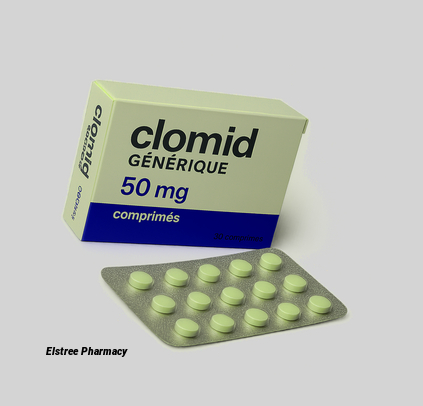
Clomid is the brand name for clomiphene citrate, a selective oestrogen receptor modulator widely used in fertility treatment. Clomiphene citrate functions by encouraging ovulation through its effects on hormone feedback loops in the hypothalamus and pituitary gland. It has been prescribed for decades and is recognised as a cost-effective, first-line therapy for ovulatory dysfunction in women seeking to conceive.
Clomiphene citrate belongs to the triphenylethylene family. It exists as a mixture of cis- and trans-isomers, both of which exhibit anti-estrogen activity at the level of the hypothalamus, leading to increased gonadotropin production.
First synthesised in the 1950s, clomiphene became a major breakthrough for infertility care. Its low cost, oral dosing and generally good tolerability established clomiphene citrate as a mainstay therapy long before newer injectable gonadotropins and assisted reproductive technologies became widely available.
Clomid competes with oestrogen for receptors in the hypothalamus, blocking negative feedback and thereby triggering an increase in gonadotropin-releasing hormone (GnRH). This stimulates the pituitary to secrete luteinising hormone (LH) and follicle-stimulating hormone (FSH), which in turn promote ovarian follicle growth and ovulation.
After oral administration, clomiphene is slowly absorbed, with peak plasma concentrations typically reached within 4–6 hours. The drug is extensively metabolised in the liver, and its metabolites have a prolonged half-life, contributing to the extended duration of action.
Clomiphene induces ovulation usually within 5–10 days after completion of a 5-day course. Because of its long half-life, clomiphene may continue to exert pharmacological effects into the following cycle if not cleared completely.
Clomid is chiefly prescribed for women with anovulatory infertility, including those with polycystic ovary syndrome (PCOS), hypothalamic amenorrhoea or other ovulation disorders.
While its primary use is induction of ovulation, clomiphene citrate is also employed off-label in male infertility to boost testosterone levels via the hypothalamic–pituitary–gonadal axis and in cases of unexplained infertility as part of controlled ovarian stimulation for intrauterine insemination (IUI).
Ovulation rates with clomiphene range from 70% to 85% in anovulatory women. Pregnancy rates vary between 15% and 25% per treatment cycle, depending on patient age, diagnosis and adherence to monitoring protocols.
Most regimens start at 50 mg once daily for 5 consecutive days, often beginning on day 3, 4 or 5 of the menstrual cycle. If ovulation does not occur, the dose may be increased in 25 mg increments in subsequent cycles, up to 100 mg daily.
Ovulation can be tracked using home LH urine kits, serial transvaginal ultrasound, or mid-luteal serum progesterone assays. Such monitoring helps to optimise timing for intercourse or insemination.
Clomid is generally prescribed for no more than six treatment cycles. Extended use beyond six cycles may raise the risk of ovarian hyperstimulation, multiple pregnancy or other complications.
A generic version contains the same active ingredient (clomiphene citrate) and must meet the same quality, efficacy and safety standards as the branded product. Generic clomiphene is often significantly cheaper.
Although generics match the reference medicine chemically, excipients and tablet appearance can differ. Regulatory approval ensures bioequivalence within strict margins, so clinical outcomes are expected to be the same.
Choosing a generic supplier can reduce medication costs by up to 70% compared with branded Clomid, making fertility treatment more affordable for self-paying patients in the UK.
You can purchase Clomid through MHRA-registered online pharmacies. A valid prescription may be required for certain strengths and pack sizes, but specific generic clomiphene products are available without prescription under pharmacy supervision.
Ensure you purchase from vetted, MHRA-licensed websites to avoid counterfeit or substandard products. Check for secure payment, a visible returns policy, and clear contact details for customer support.
Certain clomiphene citrate preparations in defined pack sizes have been reclassified as Pharmacy (P) medicines in the UK, allowing supply without a doctor’s prescription when sold by a qualified pharmacist. However, not all strengths or indications qualify for non-prescription sale. A short consultation with the pharmacy team may be required.
P medicines can be sold only under pharmacy supervision. This regulatory framework ensures patient safety while improving access and allowing purchase without a formal prescription.
Retail prices vary by brand, pack size, manufacturer and pharmacy. As an example:
| Product | Strength | Pack size | Price | Status |
|---|---|---|---|---|
| Generic Clomiphene | 50 mg | 5 tablets | £12.99 | Online pharmacy price |
| Clomid (brand) | 50 mg | 5 tablets | £28.50 | Standard retail |
| Generic Clomiphene | 100 mg | 5 tablets | £19.99 | Online discount price |
Many online pharmacies offer tiered pricing for larger orders. Buying 3 or more packs at once can reduce the per-tablet cost by up to 30%.
Major credit/debit cards, PayPal, bank transfer and some digital wallets are commonly accepted. Payment processing is typically encrypted for data security.
Standard UK delivery usually takes 2–4 working days. Next-day delivery options may be available for an extra fee. International shipping times and customs regulations vary by destination.
Elstree Pharmacy offers a 14-day returns policy on unopened, unused medications, with free returns by mail under the merchant return policy.
Clomid is generally well tolerated, but side effects can occur. Common, uncommon and rare events are listed in the patient leaflet.
| Common | Hot flashes, mood swings, breast tenderness, nausea |
| Uncommon | Ovarian enlargement, visual disturbances, headaches |
| Rare | Ovarian hyperstimulation syndrome (OHSS), multiple pregnancy |
Mild symptoms often resolve spontaneously. Severe or persistent side effects should prompt immediate consultation with a healthcare professional.
Always review the full product information and seek pharmacist advice if you have any underlying medical conditions.
Clomiphene may interact with drugs that affect estrogen levels or hepatic metabolism. Although clinically significant interactions are uncommon, discuss all current medications and supplements with the pharmacist before purchase.
Professional monitoring ensures safe and effective use of Clomid. Follow-up may include ultrasound scans, hormone assays and assessment of side effects.
If there is no ovulation by cycle 3, if bleeding patterns change, or if any severe symptoms emerge, a physician review is recommended to adjust therapy or investigate alternative causes of infertility.
Certain generic clomiphene products in small pack sizes are available as Pharmacy medicines without a doctor’s prescription, supplied under pharmacist supervision.
Ovulation typically occurs within 5–10 days after the final dose of a 5-day regimen.
Long-term use beyond six cycles requires specialist oversight due to risks such as ovarian hyperstimulation and multiple pregnancies.
Clomid is sometimes prescribed off-label for male infertility, but dosing and efficacy should be managed by a healthcare professional.
Non-response may require dose adjustment, alternative ovulation induction agents or referral for assisted reproductive techniques.
For further information, consult the electronic Medicines Compendium (eMC), the MHRA website, or speak directly with the team at Elstree Pharmacy, The Corner Shop B, High Street, Elstree, WD6 3BY.