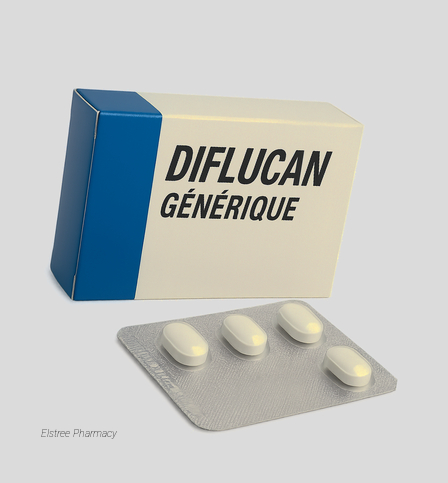
In the United Kingdom, specific presentations of Diflucan (fluconazole) are authorised for supply as a Pharmacy medicine (P) without a prescription under defined conditions, including short-term treatment of common fungal infections such as vaginal thrush and oral candidiasis. Although convenient self-care options exist, not every dose, pack size or indication is available without a valid prescription. For more specialised or systemic fungal infections, a Prescription Only Medicine (POM) classification applies, requiring assessment by a healthcare professional before supply. Patients seeking to buy or purchase Diflucan online without prescription should ensure they select a product explicitly licensed for non-prescription supply in the UK. Always consult a pharmacist at Elstree Pharmacy for advice on the appropriate selection, dosage and minimum effective duration to control uncomplicated fungal infections, preventing unnecessary exposure while maintaining safety.
The UK regulatory framework divides human medicines into three main legal categories: Prescription Only Medicines (POM), Pharmacy medicines (P) and General Sales List (GSL) products. A Pharmacy medicine may be supplied without a doctor’s prescription but must be sold under the supervision of a pharmacist in a registered pharmacy. This ensures professional oversight, counselling on proper use, and the opportunity for screening of contraindications and drug interactions. Diflucan that is classified as P will have specific limitations on maximum pack size, strength, duration of supply and patient eligibility. While the term “over the counter” (OTC) may suggest unrestricted availability, this is not true for P medicines, and sale remains regulated. Consumers ordering Diflucan online in the UK must use a verified pharmacy website, like Elstree Pharmacy, to ensure legal compliance, product authenticity and professional post-sale support.
Fluconazole is a triazole antifungal agent widely used to treat and prevent a variety of fungal infections. It operates by interrupting fungal cell membrane synthesis, thereby inhibiting fungal growth and proliferation. Diflucan is the original brand name for fluconazole, though generic versions are globally available and therapeutically equivalent.
Triazoles are a subclass within the azole antifungal family. They include other medications such as itraconazole and voriconazole. Triazoles are characterized by a triazole ring in their chemical structure, which contributes to their mechanism of action against fungi.
The active pharmaceutical ingredient in Diflucan is fluconazole. Generic products must contain the same amount of fluconazole per tablet or capsule, but excipients, tablet colour, shape and packaging may differ between manufacturers.
Fluconazole is commonly administered orally via tablets or suspensions. Intravenous formulations are used in hospital settings for systemic or deep-seated fungal infections under medical supervision. The non-prescription product range for simple infections is restricted to oral use.
Diflucan preparations should be stored at room temperature, away from excessive heat or moisture. Strict adherence to the expiry date on the product label ensures optimal potency and safety of fluconazole tablets or capsules.
Fluconazole inhibits the fungal cytochrome P450 enzyme lanosterol 14α-demethylase, which is crucial for converting lanosterol to ergosterol, an essential component of fungal cell membranes. Depletion of ergosterol increases membrane permeability, leading to impaired cell functions and ultimately cell death in susceptible fungal species.
At typical therapeutic doses, fluconazole exhibits fungistatic activity against most Candida species, inhibiting growth rather than causing rapid fungal cell lysis. For some susceptible species and at higher doses, partial fungicidal effects may occur, particularly in fluid-rich environments such as the urinary tract.
Fluconazole is effective against many Candida species (e.g., Candida albicans, Candida tropicalis) and certain endemic mycoses. It has limited or variable activity against species like Candida krusei or Candida glabrata, which may require alternative or higher-dose therapy under prescription.
Fluconazole is rapidly absorbed after oral dosing, achieving peak plasma concentrations within 1-2 hours. It has high oral bioavailability (>90%), a large volume of distribution, and penetrates well into body fluids, including saliva, vaginal secretions and cerebrospinal fluid. Renal excretion is the primary route of elimination.
Symptomatic relief for uncomplicated thrush may begin within 24–48 hours of a single 150 mg dose, with complete resolution often within three days. Some courses extend to seven days or more, depending on the indication and regulatory authorisation of the product presentation.
Retail prices for non-prescription fluconazole vary by retailer, pack size and whether branded or generic. Elstree Pharmacy offers competitive pricing and occasional promotional offers to make cheap Diflucan available for uncomplicated fungal infections. Prices may fluctuate over time due to supply chain changes or manufacturer agreements.
Price variations reflect brand premiums, pack size differences (e.g., single vs. multi-pack), formulation costs, import or distribution fees and retailer margins. Generics typically offer the most cost-effective alternative without compromising efficacy.
| Example Product | Strength | Pack Size | Price | Status | Notes |
|---|---|---|---|---|---|
| Diflucan (brand) | 150 mg | 1 tablet | £9.99 | P | Single-dose for thrush |
| Fluconazole Generic | 150 mg | 1 tablet | £4.50 | P | Economy single-dose option |
| Fluconazole Generic | 50 mg | 7 tablets | £12.99 | P | 1-week course for skin infections |
| Fluconazole Generic | 200 mg | 1 tablet | £7.25 | Prescription only | Higher dose for specialist use |
For current stock levels and cheapest online purchase options, contact Elstree Pharmacy or visit our website to compare offers and order Diflucan at the lowest price.
Non-prescription fluconazole presentations in the UK are typically 150 mg single-dose tablets authorised for uncomplicated vaginal thrush and oropharyngeal candidiasis. Generic 50 mg tablets for short courses of seven days may also be available under Pharmacy (P) classification.
Prescription-only doses include 50 mg, 100 mg and 200 mg tablets for systemic or prophylactic use, often supplied in packs of 14, 28 or more. Intravenous formulations are hospital-only and require specialist oversight.
Tablets and capsules may contain lactose, cellulose, magnesium stearate and colourants. Patients with lactose intolerance should verify specific excipients in the product leaflet before purchase.
Pack sizes for non-prescription use are limited to small quantities to reduce self-treatment beyond short courses. A pharmacy may supply one single-dose tablet or a small pack of seven 50 mg tablets depending on the presentation authorised.
| Feature | Implication |
| Strength | Determines dose per treatment episode |
| Pack size | Limits maximum supply without prescription |
| Formulation | Affects rate of dissolution and tolerance |
| Legal status | Dictates supply route and oversight |
A single 150 mg dose of Diflucan is clinically effective for acute uncomplicated vaginal candidiasis in adult women. Symptomatic relief, including reduction of itching and discharge, typically occurs within 24–48 hours after dosing.
Oral fluconazole at 150 mg single-dose may be used for mild cases. For more severe or recurrent infections, extended courses or higher daily doses under prescription are necessary.
In men, a single 150 mg dose can treat balanitis due to Candida species, leading to resolution of redness, irritation and discomfort in most cases within three days.
Some pharmacy-authorised 50 mg daily courses over seven days may address mild cutaneous candidiasis. Dermatophyte infections and onychomycosis require longer courses, prescription-only dosing and specialist supervision.
Non-prescription use is not authorised for prophylactic purposes in immunocompromised patients. Such use falls under POM classification and requires medical assessment.
Fluconazole at prescription strengths and for systemic or prophylactic indications is classified as POM, requiring a prescriber’s signature or electronic prescription. Examples include multi-dose packs, higher strengths (≥200 mg) and intravenous formulations.
Single-dose 150 mg presentations and short-course 50 mg packs for uncomplicated thrush are P medicines. Supply without prescription mandates pharmacy supervision, professional screening and provision of patient information leaflets.
No antifungal triazoles are classified as GSL in the UK due to potential for drug interactions, need for dose adjustments and requirement for clinical assessment in atypical presentations.
Legal status depends on active ingredient, indication, maximum pack size, duration of supply and safety considerations. MHRA oversight ensures classification changes only after thorough review of clinical data and risk management.
Nystatin oral suspension and topical preparations are available OTC for oropharyngeal thrush and cutaneous candidiasis. Generic options are inexpensive and effective for mild localized infections.
Generic fluconazole offers the same active ingredient at a lower cost. Bioequivalence studies ensure comparable absorption, efficacy and safety, while supporting cost savings for healthcare budgets and patients.
| Feature | Diflucan (Fluconazole) | Clotrimazole | Nystatin |
| Drug class | Triazole antifungal | Imidazole antifungal | Polyene antifungal |
| Typical OTC use | Thrush, balanitis | Topical vaginal and skin infections | Oral thrush suspension, topical creams |
| Route | Oral | Topical | Topical, oral suspension |
| Onset of relief | 24–48 hours | Immediate topical effect | 24–72 hours |
| Systemic absorption | Yes | Minimal | Minimal |
No single product is universally superior. Choice depends on infection site, severity, patient preference, tolerability and professional recommendation. Oral Diflucan offers systemic coverage and convenience for single-dose regimens.
Effective management of fungal infections involves not only medication but also lifestyle adjustments. Keeping affected areas clean and dry, choosing breathable cotton underwear, avoiding scented soaps and harsh detergents, and practising good genital hygiene can reduce recurrence of vaginal thrush. For oral thrush, maintaining oral hygiene, limiting sugar intake, avoiding smoking and using antiseptic mouthwashes help prevent fungal overgrowth. In communal settings like swimming pools or gyms, use flip-flops, change wet clothing promptly and avoid sharing personal items. Maintaining a balanced diet, managing blood sugar in diabetic patients and supporting immune health through sleep and stress management are general preventive measures.
| Body System | Examples |
| Gastrointestinal | Nausea, abdominal pain, diarrhoea |
| Nervous system | Headache, dizziness |
| Skin | Rash, pruritus |
| Hepatic | Transient liver enzyme elevations |
| Hypersensitivity | Rare anaphylaxis, angioedema |
Serious effects include hepatotoxicity, QT prolongation, blood dyscrasias and severe cutaneous adverse reactions. These are typically associated with high-dose or prolonged therapy and require immediate medical attention.
Short-term non-prescription use is generally well tolerated. Patients should read the patient information leaflet for full side effect details and report any unexpected or severe reactions to a pharmacist or GP.
Long-term prophylactic or repeated courses of fluconazole may promote resistance among Candida species, particularly C. glabrata and C. krusei. Such resistance limits future treatment options and can lead to persistent infections. Chronic use also increases risk of cumulative liver toxicity and potential drug interactions. Non-prescription Diflucan is authorised only for short-term self-treatment, reducing the likelihood of resistance emergence. Healthcare professionals monitor systemic use over weeks to months, adjusting regimens based on laboratory susceptibility tests. Intermittent therapy or rotating antifungal classes may be strategies to mitigate resistance in specialist care settings.
Always inform the pharmacist of all prescription, OTC and herbal medicines before purchasing Diflucan. A brief screening questionnaire helps identify contraindications and guides safe supply.
A generic fluconazole product contains the same active moiety, fluconazole, as the reference brand Diflucan. It must meet standards for bioequivalence, quality and safety set by UK regulatory authorities. Differences are limited to non-active ingredients and presentation, which do not affect therapeutic action.
Different manufacturers prepare their own patient information leaflets summarising authorised indications, dosage regimens, safety warnings and local marketing details. Minor variations reflect product licence differences, excipient profiles and pack presentations.
Fluconazole tablets do not require gastro-resistant coatings because stability in gastric pH is high. Tablets dissolve readily, providing rapid systemic absorption.
Consult the electronic Medicines Compendium (eMC), MHRA database or Elstree Pharmacy for up-to-date product information. Always read the patient leaflet included with the medicine and discuss uncertainties with a pharmacist.
Elstree Pharmacy (The Corner Shop B, High Street, Elstree, WD6 3BY) provides general guidance. For personalised advice, particularly in pregnancy, chronic disease or complex infections, consult a qualified pharmacist or physician.