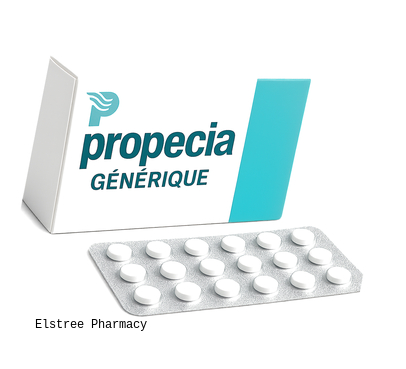
Propecia (finasteride 1 mg) is strictly classified as a Prescription Only Medicine (POM) in the United Kingdom. Unlike certain medications that can be purchased over the counter, Propecia requires a valid prescription from a qualified healthcare professional. Despite this legal requirement, many online pharmacies and e-commerce platforms advertise “buy Propecia without prescription,” “order Propecia online,” or “purchase generic Propecia cheap,” making it possible to obtain finasteride quickly. However, purchasing any prescription medicine without proper medical oversight can carry health and legal risks. In the UK, supply of Propecia without a prescription may contravene MHRA regulations, and patients should always seek professional advice before ordering finasteride.
The UK classifies human medicines into three main supply categories: Prescription Only Medicine (POM), Pharmacy medicine (P), and General Sales List (GSL). A Prescription Only Medicine can only be legally supplied on the basis of a valid prescription issued by an authorised prescriber, such as a doctor or a nurse prescriber. This classification ensures that the medicine is used under appropriate clinical supervision to maximize benefits and minimize risks.
Key points about POM:
Propecia is the brand name for the pharmaceutical product containing finasteride 1 mg, used primarily in the treatment of male pattern baldness (androgenetic alopecia). It is manufactured by Merck Sharp & Dohme (MSD). The term “Propecia” is widely recognized, although generic formulations of finasteride are available at significantly lower prices.
Finasteride is the active pharmacological ingredient in Propecia. It belongs to a class of medications known as 5-alpha reductase inhibitors. By inhibiting the enzyme 5-alpha reductase type II, finasteride prevents the conversion of testosterone to dihydrotestosterone (DHT), a potent androgen implicated in hair follicle miniaturization.
Finasteride is a 5-alpha reductase inhibitor. Other drugs in this class include dutasteride, which inhibits both type I and type II 5-alpha reductase isoenzymes. In contrast, finasteride selectively inhibits type II, making it specifically effective for scalp hair follicles sensitive to DHT.
Although finasteride is well tolerated by many men, it can produce adverse effects including sexual dysfunction, mood changes, and potential impacts on prostate health. Medical supervision ensures appropriate patient selection, dosage adjustments, monitoring of side effects, and adherence to safety guidelines, especially in patients with co-morbidities or those taking interacting medications.
Dihydrotestosterone (DHT) is an androgen derived from testosterone by the action of 5-alpha reductase. DHT binds more strongly to androgen receptors in hair follicles and prostate tissue. Elevated DHT levels in the scalp can lead to miniaturization of hair follicles, resulting in thinning hair and eventual hair loss.
Finasteride binds competitively to the type II 5-alpha reductase enzyme, decreasing its activity by over 70 percent in the scalp. Reduced enzyme activity leads to lower DHT synthesis, which can halt follicular miniaturization and even partially reverse follicle shrinkage over time.
Finasteride’s effect on serum DHT begins within 24 to 48 hours, but clinical hair improvement requires several months of consistent dosing. Typically, patients are advised to take one tablet (1 mg) daily, and a minimum treatment course of 3 to 6 months is needed to assess response. Maximal benefit often appears after 12 months of continuous therapy.
No. Individual response varies depending on genetic factors, age, duration of hair loss, and baseline DHT levels. Approximately 65 percent of men experience visible improvement, 25 percent maintain their existing hair without significant regrowth, and ~10 percent may continue to lose hair despite treatment.
Brand‐name Propecia is generally more expensive than generic finasteride preparations. Prices can fluctuate based on pharmacy, pack size, shipping options, and promotional offers. Below is an approximate overview of current UK prices (September 2026):
| Product | Strength | Pack Size | Approx. Price (GBP) | Status | Note |
|---|---|---|---|---|---|
| Propecia (MSD) | 1 mg | 28 tablets | £50–£60 | POM | Brand-name |
| Finasteride Generic A | 1 mg | 28 tablets | £20–£30 | POM | Licensed generic |
| Finasteride Generic B | 1 mg | 90 tablets | £40–£55 | POM | Bulk savings |
| Finasteride Generic C | 1 mg | 180 tablets | £70–£85 | POM | Economy pack |
Prices vary due to package size, shipping costs, import fees and pharmacy promotions. An “economy pack” or “bulk order” often yields the cheapest per-tablet price.
Cheap online pharmacies may offer “no prescription required” services, but these can carry legal and safety risks. Always consider the pharmacy’s registration status, customer reviews, and medicine authenticity assurances.
Propecia contains finasteride 1 mg, the only strength approved for androgenetic alopecia in men. Higher strengths (5 mg) exist for benign prostatic hyperplasia (Proscar), but those formulations are not indicated for hair loss.
All oral formulations for hair loss are tablets or film-coated tablets. There are no liquid, chewable, or topical finasteride preparations licensed for male pattern baldness in the UK.
Legal supply and economic factors can differ by pack size:
Always confirm expiry dates, storage instructions, and medicine license details before purchase.
Androgenetic alopecia is the most common form of hair loss in men, characterized by progressive thinning of hair in a defined pattern, often starting at the temples and crown. It is influenced by genetic predisposition and androgen activity.
Early intervention with finasteride can stabilize hair loss and maximize the potential for regrowth. Delaying treatment may reduce the chance of reversing follicular miniaturization.
Diagnosis is clinical, based on pattern, family history, and exclusion of alternative causes such as alopecia areata, telogen effluvium, or nutritional deficiencies. A trichoscopy or scalp biopsy may be used in uncertain cases.
A POM can only be dispensed on presentation of a valid prescription. Propecia’s POM status is due to its systemic effects, potential side effects, and the need for ongoing monitoring of therapy.
5-alpha reductase inhibitors can affect endocrine function, sexual health, and prostate physiology. Prescription control ensures appropriate screening for contraindications and evaluation of adverse effects.
The MHRA and the General Pharmaceutical Council (GPhC) oversee pharmacy practice and online medicine supply in the UK. Pharmacies found dispensing POMs without prescription may face fines, suspension, or closure.
Finasteride has the strongest evidence base for reducing progression of male pattern baldness and promoting regrowth in the vertex and mid-scalp regions when used consistently over 6–12 months.
| Feature | Propecia (finasteride) | Minoxidil | Dutasteride |
|---|---|---|---|
| Drug class | 5-alpha reductase inhibitor | Vasodilator | 5-alpha reductase inhibitor |
| Mechanism | Reduces DHT levels | Stimulates follicles | Reduces DHT levels |
| OTC availability (UK) | No (POM) | Yes (P and GSL) | No (POM, off-label) |
| Onset of effect | 3–6 months | 2–4 months | 3–6 months |
| Side effect profile | Sexual side effects, mood changes | Scalp irritation | Similar to finasteride, possible greater potency |
No single treatment suits every patient; choice depends on severity, tolerance, cost and long-term goals.
Balanced nutrition supports general hair growth. Key nutrients include iron, biotin, zinc, protein and essential fatty acids. Deficiencies can exacerbate hair thinning.
Regular exercise improves circulation and overall health, which may indirectly benefit hair follicles. However, no direct clinical evidence links exercise to hair regrowth.
Chronic stress can trigger telogen effluvium, a temporary shedding phase. Managing stress through relaxation techniques may support overall scalp health during finasteride therapy.
Finasteride is generally well tolerated, but adverse effects can include:
Most side effects resolve after discontinuation, but some men report persistent symptoms. The overall incidence of sexual side effects in clinical trials is 2–4 percent, compared with ~1 percent in placebo groups.
Rarely, finasteride can cause hypersensitivity reactions such as rash, itching or swelling. Immediate medical attention is required if severe allergic symptoms develop.
Effective hair maintenance often requires indefinite daily use. Discontinuing finasteride typically leads to loss of gained hair within 12 months. Long-term therapy should be reviewed periodically by a prescriber.
Finasteride has a low potential for drug–drug interactions. However, interactions may occur with testosterone supplementation or other hormonal therapies. Detailed interaction profiles are provided in the Summary of Product Characteristics.
Women who are pregnant or may become pregnant should avoid handling crushed or broken finasteride tablets due to risk of fetal abnormalities.
Generic finasteride contains the same active ingredient as Propecia and must meet the same regulatory standards for quality, safety and efficacy. Inactive ingredients and tablet appearance may differ, but therapeutic effects are equivalent.
Brand-name and generic versions differ due to patent status, manufacturing costs, packaging, and marketing. Bulk packaging and online promotions usually yield the cheapest per-tablet price.
In the UK, finasteride for hair loss is typically not prescribed under NHS due to cosmetic classification. Patients must self‐finance POM supply privately or via private prescription arrangements.
Reliable sources include the MHRA website, the electronic Medicines Compendium (eMC), and qualified healthcare professionals. Always check the latest Summary of Product Characteristics and patient leaflet for up-to-date safety guidance.
No information on this page replaces advice from a pharmacist or doctor. For personal medical advice about Propecia (The Corner Shop B, High Street, Elstree, WD6 3BY), speak to the Elstree Pharmacy team.