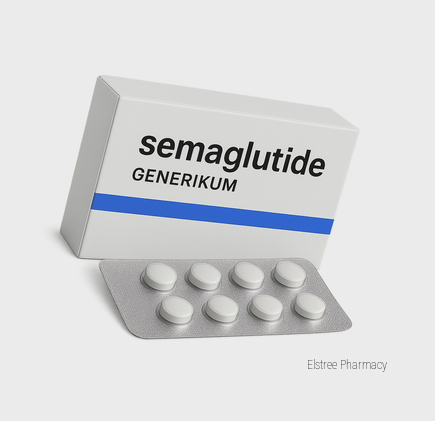
Semaglutide is currently classified as a Prescription Only Medicine (POM) in the United Kingdom for both its licensed uses: type 2 diabetes management and weight loss under specific indications. There is no legal pathway for semaglutide to be sold as an over-the-counter product or General Sales List (GSL) medicine. However, some online providers advertise “order semaglutide without prescription” or “buy semaglutide cheap,” offering rapid delivery services. Acquiring semaglutide without a valid prescription can pose risks, including incorrect dosing, counterfeit products, and lack of clinical oversight, and may contravene MHRA regulations. Patients in the UK should seek professional medical assessment and a genuine prescription from a GP or authorised prescriber before purchasing semaglutide from any source.
In the UK, medicines are regulated under three main categories: Prescription Only Medicine (POM), Pharmacy medicine (P), and General Sales List (GSL). A Pharmacy medicine (P) can be supplied without a prescription but only under the supervision of a pharmacist. Currently, semaglutide does not feature in the P category; its complexity of dose titration, injection technique, and monitoring requirements prevent it from being sold as a pharmacy-only medicine. It remains strictly POM. Any offer to “purchase semaglutide online without prescription” falls outside established legal frameworks and should be treated with caution. Always verify the legal status of any medicine and consult a qualified healthcare professional.
Semaglutide is a synthetic analogue of the human glucagon-like peptide-1 (GLP-1) hormone. It enhances glucose-dependent insulin secretion, suppresses glucagon release, slows gastric emptying and promotes satiety. Semaglutide is approved for treatment of type 2 diabetes under brand names such as Ozempic® and for chronic weight management under Wegovy®. It is supplied via subcutaneous injection pens. Generic versions of semaglutide are under development and may offer a cheaper option in the future, but at present only licensed branded products are available in the UK.
The reference products Ozempic® and Wegovy® are manufactured by Novo Nordisk A/S. Generic semaglutide products may emerge once patent protections expire, potentially reducing the cost for patients looking to buy semaglutide online.
Inactive components vary by brand and formulation but commonly include buffers, stabilisers and preservatives to maintain peptide stability in solution. Always check the patient information leaflet for details on excipients, especially if you have known allergies.
GLP-1 is an incretin hormone produced in the gut in response to nutrient intake. It enhances insulin secretion from pancreatic beta cells when blood glucose levels are elevated and suppresses glucagon from alpha cells, which lowers hepatic glucose output. GLP-1 also acts on the central nervous system to increase feelings of fullness.
Semaglutide binds to the same GLP-1 receptor, resisting enzymatic breakdown by dipeptidyl peptidase-4 (DPP-4) to provide prolonged action. This leads to improved glycaemic control and, at higher doses, significant weight loss through appetite suppression.
As a peptide, semaglutide is degraded in the gastrointestinal tract if taken orally. Subcutaneous injection ensures reliable absorption and allows for once-weekly dosing.
Following injection, semaglutide has a slow absorption phase, reaching peak plasma levels in 1–3 days and a half-life of approximately 7 days. This supports a once-weekly regimen, improving adherence compared with daily injections.
Prices for branded semaglutide in the UK vary by prescription arrangement, NHS funding, private prescription fees and pharmacy dispensing charges. Patients who pay privately may encounter costs in the region of £80–£120 per 1 mg/0.5 mL prefilled pen or higher for the Wegovy® 2.4 mg dose. Generic semaglutide, if authorised and available, could offer prices that are cheaper by 20–40%. Offers to buy or order semaglutide online may quote lower prices, but these can carry risks of unlicensed products or inaccurate dosing.
Differences in price reflect branded versus generic status, pharmacy margin, distribution costs, and any special discount schemes. Cheaper online offers may exclude professional advice or present off-label uses. Always verify origin and authenticity before purchasing.
| Example | Strength | Formulation | Price | Status | Note |
|---|---|---|---|---|---|
| Ozempic® | 0.25 mg/dose, 0.5 mg/dose, 1 mg/dose | Prefilled injection pen | £80–£120 per pen | POM | NHS or private prescription required |
| Wegovy® | 2.4 mg/dose | Prefilled injection pen | £200–£250 per pen | POM | Chronic weight management only |
For type 2 diabetes, semaglutide pens are initiated at 0.25 mg once weekly, uptitrated to 0.5 mg and, if needed, 1 mg. For weight management, titration begins at 0.25 mg weekly, increasing to 0.5 mg, 1 mg, 1.7 mg and finally 2.4 mg weekly.
Pack size determines how many doses are included. Diabetes pens typically contain four doses per pen; weight management pens contain four or seven doses depending on market. Patients using semaglutide long term may require multiple pens per month.
Generic versions must demonstrate bioequivalence to the reference product in strength, efficacy and safety. Excipients and pen design may differ, but the active molecule remains the same. Check regulatory authorisation and manufacturing site to ensure quality.
| Feature | Semaglutide (brand) | Generic semaglutide |
| Active ingredient | Semaglutide | Semaglutide |
| Dosage forms | Prefilled pen | Prefilled or reusable pen |
| Pack size | 4 or 7 doses | 4, 7 or 10 doses |
| Legal category | POM | POM |
Semaglutide is indicated as an adjunct to diet and exercise to improve glycaemic control in adults with type 2 diabetes. It is used when metformin alone or in combination with other glucose-lowering agents does not achieve adequate control.
At higher doses, semaglutide is licensed for chronic weight management in adults with body mass index (BMI) ≥ 30 kg/m², or ≥ 27 kg/m² with at least one weight-related comorbidity (e.g., hypertension, type 2 diabetes). It should be part of a comprehensive weight management programme including diet, exercise and behavioural therapy.
Some clinicians prescribe semaglutide off-label for prediabetes, polycystic ovary syndrome (PCOS) or non-alcoholic fatty liver disease (NAFLD). Such uses should only occur within informed consent, specialist oversight and after risk–benefit assessment.
Dosage titration, monitoring frequency and treatment goals differ between diabetes and weight management. Prescribers must follow the Summary of Product Characteristics and local guidelines to ensure safe and effective use.
A Prescription Only Medicine requires a valid prescription from an authorised prescriber such as a GP, nurse prescriber or specialist. Semaglutide remains POM due to its clinical complexity and need for medical monitoring.
Pharmacy medicines can be sold without prescription but under pharmacist supervision. This category is reserved for medicines with established safety profiles and simpler dosing requirements. Semaglutide is not eligible due to injection technique and potential side effects.
General Sales List medicines can be sold in retail outlets without supervision. They are typically low-risk products such as simple analgesics or antacids. Semaglutide’s risk profile excludes it from GSL classification.
Classification depends on indication, strength, formulation, pack size, and required level of professional oversight. For example, lower-strength hydrocortisone cream may be sold GSL, while higher strengths are P.
The Medicines and Healthcare products Regulatory Agency (MHRA) oversees medicine classification. Any reclassification proposals must be supported by safety data and a robust risk management plan.
Oral agents for type 2 diabetes include metformin, sulfonylureas, DPP-4 inhibitors and SGLT-2 inhibitors. For weight management, alternatives include orlistat, naltrexone/bupropion and off-label topiramate or phentermine in specialist settings.
Among GLP-1 analogues, semaglutide offers once-weekly dosing, robust HbA1c reduction, and superior weight loss compared with some alternatives. Choice depends on patient preference, comorbidities, cost and availability.
Semaglutide has a longer half-life allowing once-weekly dosing, whereas liraglutide is daily. Clinical trials demonstrate slightly greater HbA1c and weight reduction with semaglutide at equivalent daily doses of liraglutide.
Dulaglutide is also once-weekly but generally yields less weight reduction than semaglutide. Semaglutide may produce more gastrointestinal side effects but offers flexibility in dosing increments up to 2.4 mg for weight management.
Magnitude of benefit varies by indication and patient population. Individual response can differ; some patients may tolerate or respond better to one GLP-1 agonist than another. Shared decision-making is essential.
| Feature | Semaglutide | Liraglutide | Dulaglutide |
| Administration | Weekly | Daily | Weekly |
| Max weight loss | ≈15% body weight | ≈8–10% body weight | ≈6–8% body weight |
| HbA1c reduction | 1.5–1.8% | 1.2–1.5% | 1.3–1.6% |
| Injection pens | Multi-dose | Multi-dose | Single-dose disposable |
Semaglutide is given subcutaneously in the abdomen, thigh or upper arm. Rotate injection sites each week. Follow pen instructions for priming, dialling dose and needle attachment. Dispose of needles in a sharps container.
GLP-1 agonists slow gastric emptying; start with small meals to minimise nausea. Balanced macronutrients and adequate protein support weight management and glycaemic control.
Alcohol can affect blood glucose unpredictably and may worsen gastrointestinal side effects. Limit intake and monitor blood sugar closely if you have type 2 diabetes.
Regular exercise complements semaglutide’s benefits. Even moderate daily activity can enhance weight loss and insulin sensitivity.
Store pens refrigerated until first use, then keep below 30 °C and use within specified time. When travelling, transport pens in insulated containers with cold packs, avoiding freezing.
Gastrointestinal symptoms are most frequent: nausea, vomiting, diarrhoea, constipation and abdominal pain. These often diminish after dose escalation. Appetite suppression and early satiety are expected effects and contribute to weight loss.
Rare but serious events include pancreatitis, gallbladder disease (cholelithiasis), and diabetic retinopathy complications in type 2 diabetes patients. Hypoglycaemia risk increases when used with insulin or sulfonylureas.
Hypersensitivity is rare but may present with rash, urticaria or anaphylaxis. Seek immediate medical attention if signs of severe allergy develop.
Regulatory guidelines require listing of all suspected adverse reactions observed during clinical trials and post-marketing surveillance, regardless of frequency, to inform patients and healthcare providers.
Long-term semaglutide therapy necessitates periodic assessment of renal function, pancreatic enzymes, gallbladder status and diabetic retinopathy in type 2 diabetes patients. Weight management patients should have body weight, BMI, cardiovascular risk factors and nutritional status reviewed.
For diabetes, semaglutide may be continued indefinitely if benefits outweigh risks. For weight management, guidelines often suggest re-evaluation after 16 weeks at 2.4 mg; responders (≥ 5% weight loss) may continue, non-responders should cease therapy.
Some patients experience diminishing gastrointestinal side effects, but tachyphylaxis in terms of appetite suppression is uncommon. Ongoing lifestyle measures are crucial to maintain weight loss once semaglutide is withdrawn.
By delaying gastric emptying, semaglutide can change the absorption profile of oral medications. Closely monitor drugs with narrow therapeutic indices (e.g., warfarin, levothyroxine). Hypoglycaemia risk increases with insulin secretagogues.
Pre-clinical studies in rodents showed C-cell tumours at high exposures; relevance to humans is unclear but contraindications remain as a precaution. Assess risk–benefit in elderly, immunocompromised or those with severe hepatic impairment.
A generic product contains the same active moiety, semaglutide, and must demonstrate bioequivalence to the reference product. Generic pens may differ in design, excipients and packaging but deliver equivalent clinical effects.
Differences reflect licensed indications, dosage forms, titration schedules, local labels, excipients and pack presentations. Always read the specific patient information leaflet supplied with each product.
Refrigerate unopened pens at 2–8 °C. After first use, pens may be stored at room temperature (≤ 30 °C) or in the refrigerator for up to 56 days. Protect from light and freezing.
Trustworthy sources include the MHRA website, the electronic Medicines Compendium (eMC), NICE guidelines, and qualified healthcare professionals. Avoid unverified online pharmacies offering “semaglutide without prescription” at suspiciously low prices.
No. This article is general information provided by Elstree Pharmacy (The Corner Shop B, High Street, Elstree, WD6 3BY). For personalised advice, medical assessment, and guidance on ordering semaglutide safely and legally, please speak to the pharmacy team or your GP.