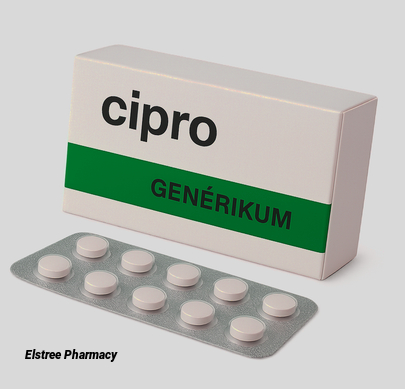
Ciprofloxacin, commonly known by the brand name Cipro, is classified in the UK as a Prescription Only Medicine (POM). This means it cannot be lawfully supplied or purchased from licensed UK pharmacies without a valid prescription issued by a qualified healthcare professional. Despite this, many consumers search online to buy Cipro without prescription, seeking cheaper generic alternatives or fast delivery options. Some international online pharmacies advertise the ability to order ciprofloxacin without prescription, but such transactions typically occur outside MHRA regulation. UK residents considering purchase of Cipro without doctor oversight should be aware of legal, safety and quality risks associated with unregulated supply. Purchasing generic Cipro tablets without prescription may save time and money, but missing professional assessment could lead to misuse, inappropriate dosing or antibiotic resistance. For legitimate treatment, always seek medical advice and obtain a valid prescription before taking ciprofloxacin in the UK market.
Elstree Pharmacy provides clear guidance on the legal status of antibiotics and encourages safe, regulated purchase and collection. If you require ciprofloxacin, please consult your GP or an online UK-registered doctor who can assess your infection, provide a prescription and ensure you receive quality-assured tablets at a transparent price. Avoid unverified websites promising cheap or faster delivery without a prescription, as they may offer substandard or counterfeit products that could harm your health.
In the United Kingdom, Prescription Only Medicines (POM) are strictly controlled to protect patient safety and ensure appropriate clinical use. Only a qualified prescriber—such as a GP, dentist or nurse prescriber—can issue a legally valid prescription for a POM. Licensed pharmacies, either brick-and-mortar or online, must verify the authenticity of this prescription before dispensing the medicine. Ciprofloxacin, a broad-spectrum antibiotic, is always classified as POM due to its potential for serious side effects, risk of resistance development and necessity for tailored dosing based on infection type and patient factors.
Purchasing a POM without a prescription is not permitted under UK law. Online pharmacies must be registered with the General Pharmaceutical Council (GPhC) and comply with MHRA regulations. Consumers looking to buy Cipro should use platforms clearly displaying valid UK pharmacy credentials, to ensure both legality and safety. Elstree Pharmacy offers an online prescription service where eligible patients can obtain a consultation, a genuine prescription and secure delivery of ciprofloxacin at competitive, cheaper prices compared with high-street rates. This regulated pathway protects against substandard generics and ensures professional oversight throughout treatment.
Ciprofloxacin is a synthetic antibiotic belonging to the fluoroquinolone class. It is used to treat a variety of bacterial infections by inhibiting bacterial DNA gyrase and topoisomerase IV, enzymes critical for DNA replication and cell division. Its broad-spectrum activity covers many Gram-negative and some Gram-positive organisms. Cipro is commonly prescribed for urinary tract infections (UTIs), respiratory infections, skin and soft tissue infections, gastrointestinal infections and certain sexually transmitted infections.
When the original patent for ciprofloxacin expired, multiple manufacturers began producing generic versions that contain the identical active ingredient. These generics often come at a lower price, making treatment more affordable. Generic ciprofloxacin must meet strict MHRA quality standards for purity, potency, bioequivalence and safety. The formulation—including excipients and tablet coatings—may vary slightly, but the therapeutic effect remains consistent with brand-name Cipro.
No. While antacids and H2-receptor antagonists target stomach acidity, ciprofloxacin is an antibiotic with no acid-neutralizing properties. However, certain antacids or mineral supplements containing magnesium or aluminum can interfere with ciprofloxacin absorption, so timing of doses should be managed carefully.
Ciprofloxacin enters bacterial cells and inhibits DNA gyrase (topoisomerase II) and topoisomerase IV. These enzymes control supercoiling and uncoiling of bacterial DNA necessary for replication and transcription. Blocking their function causes DNA breakage, replication arrest and ultimately bacterial cell death. This bactericidal mechanism is concentration-dependent, meaning higher plasma levels correlate with more rapid bacterial kill.
After oral administration, ciprofloxacin is well absorbed, with bioavailability around 70%. Peak plasma concentrations occur within one to two hours. Its half-life of 4–5 hours typically allows twice-daily dosing, though some extended-release formulations permit once-daily regimens. Cipro distributes widely into tissues and fluids, including the urinary tract, lungs, bone and gastrointestinal mucosa.
Taking ciprofloxacin with a high-fat meal may delay absorption slightly but does not significantly reduce overall bioavailability. However, concurrent intake of dairy products, calcium-fortified juices or antacids containing magnesium or aluminum can form insoluble chelates, reducing ciprofloxacin absorption by up to 90%. To ensure effective plasma levels, separate administration by at least two hours from these products.
The retail price for ciprofloxacin tablets varies depending on strength, pack size, brand or manufacturer, shipping method and pharmacy markup. Online pharmacies may offer cheaper deals and bulk-pack discounts compared to high-street rates. While exact prices can fluctuate, typical UK prices for generic Cipro 250 mg range from £6.99 to £12.99 for a pack of 10 tablets. Ciprofloxacin 500 mg may cost between £9.99 and £19.99 for 10–20 tablets. Prices valid until stock changes; contact Elstree Pharmacy for latest online purchase prices.
Differences in price reflect factors such as distributor agreements, generic manufacturer competition, pack sizes, shipping options, and promotional offers. Pharmacies with lower overheads can pass savings to customers, offering a cheaper option to buy Cipro online. Bulk orders and repeat subscriptions may unlock further discounts. Always check that lower cost products are MHRA-approved generics and dispensed by GPhC-registered pharmacies.
| Example | Strength | Pack Size | Price (GBP) | Status | Note |
|---|---|---|---|---|---|
| Generic Cipro A | 250 mg | 10 tablets | £6.99 | In stock | Order online, fastest delivery 24h |
| Generic Cipro B | 500 mg | 20 tablets | £14.99 | In stock | Purchase without prescription via online consultation |
Ciprofloxacin is commonly supplied in 250 mg, 500 mg and 750 mg tablet strengths. The choice depends on infection severity, site, causative organism and patient factors such as age and renal function. Intravenous formulations exist for hospital use but are not available OTC.
Oral tablets may be immediate-release or extended-release. Extended-release formulations provide more stable plasma levels and can reduce dosing frequency, improving adherence. Tablets are film-coated to improve swallowing and taste.
Pack sizes usually range from 10 to 30 tablets. Short courses (e.g., 7 days for uncomplicated UTIs) may require smaller packs, while longer courses (e.g., 10–14 days for prostatitis) benefit from larger packs. Larger packs often reduce unit cost, making bulk purchase a cheaper option for long-term therapy when clinically indicated.
Generic ciprofloxacin tablets must demonstrate bioequivalence to the originator brand. Inactive ingredients and coloration may differ, but efficacy and safety match the branded product when approved by MHRA.
Ciprofloxacin is widely prescribed for uncomplicated and complicated UTIs in adults. Its excellent urine concentration makes it effective against Escherichia coli and other common uropathogens. Typical dose: 250–500 mg twice daily for 3–7 days, depending on severity.
For acute exacerbations of chronic bronchitis, community-acquired pneumonia or hospital-acquired pneumonia where Pseudomonas or Gram-negative pathogens are suspected, Cipro may be selected. Dose: 500–750 mg twice daily, duration 7–14 days based on clinical response.
Ciprofloxacin covers many Gram-negative skin pathogens and is used in combination regimens for diabetic foot infections, cellulitis or wound-associated infections. Duration and combination therapy guided by culture results.
Ciprofloxacin used for traveller’s diarrhea, infectious diarrhea and intra-abdominal infections in combination with metronidazole. Therapy usually lasts 5–14 days depending on severity and pathogen susceptibility.
Include prostatitis, bone and joint infections, certain sexually transmitted infections (e.g., chlamydia), and post-exposure prophylaxis for anthrax. Always guided by susceptibility testing and expert advice to limit resistance development.
Due to potential for serious adverse effects (tendinopathy, QT prolongation, hypersensitivity), ciprofloxacin remains strictly prescription only. Unregulated use increases risk of toxicity and fosters antimicrobial resistance.
Use a GPhC-registered online pharmacy offering a clinical questionnaire or remote consultation with a UK-registered prescriber. Upon approval, a valid prescription is issued and tablets are dispatched. This process ensures legal compliance, quality assurance and proper dosage guidance. Elstree Pharmacy’s online service provides fast delivery, generic options and transparent pricing for those with a prescription.
Purchasing Cipro without assessment may lead to inappropriate dosing, failure to treat resistant organisms, drug interactions or serious side effects. Illicit products risk being counterfeit, contaminated or sub-potent, potentially harming health. Always choose regulated channels to order your antibiotic safely.
Levofloxacin, moxifloxacin and ofloxacin share a similar mechanism to ciprofloxacin but differ in spectrum, pharmacokinetics and side effect profiles. Choice depends on infection type, pathogen susceptibility and patient tolerance.
Amoxicillin, augmentin (amoxicillin/clavulanic acid) and cephalosporins may be preferred for Gram-positive infections, respiratory or skin infections, offering a broader safety margin. They lack the serious tendinopathy risk associated with fluoroquinolones.
Azithromycin and clarithromycin cover atypical respiratory pathogens and some Gram-positive organisms. Useful alternatives in penicillin-allergic patients, though potential for drug interactions and QT prolongation exists.
Common first-line options for uncomplicated UTIs. Lower risk of resistance in some settings and fewer systemic side effects. Not suitable for systemic infections or prostatitis.
Broad-spectrum Gram-negative coverage, high tissue penetration and flexible dosing make ciprofloxacin valuable for complex infections, but it should be reserved for cases with clear microbiological indication to minimise resistance.
| Feature | Ciprofloxacin | Levofloxacin | Amoxicillin |
| Drug class | Fluoroquinolone | Fluoroquinolone | Beta-lactam |
| Spectrum | Broad Gram-negative | Broad Gram-positive/negative | Primarily Gram-positive |
| OTC status UK | POM only | POM only | POM only |
| Typical dosing | 250–500 mg bid | 250–500 mg od | 500 mg tid–qid |
No single antibiotic is universally superior. Selection depends on culture results, infection location, patient factors and resistance patterns. Discuss options with a healthcare professional for optimal outcomes and cost-effective treatment.
Avoid taking ciprofloxacin with dairy products or calcium-fortified foods within two hours of dosing to prevent chelation and reduced absorption. A balanced diet supports immune function during infection but must be timed around ciprofloxacin doses.
Moderate alcohol intake is not strictly contraindicated, but excessive drinking can increase risk of side effects such as dizziness and GI upset. Alcohol may also impair immune response, delaying recovery.
Avoid strenuous exercise during and up to several weeks after ciprofloxacin therapy due to risk of tendonitis or tendon rupture, particularly in older adults or those on corticosteroids. Gradual return to activity is recommended under medical supervision.
Maintain adequate fluid intake to support renal excretion of ciprofloxacin and reduce risk of crystalluria. Avoid dehydration during antibiotic therapy.
| System | Examples |
| Gastrointestinal | Nausea, diarrhoea, abdominal pain |
| Central nervous | Dizziness, headache, insomnia |
| Musculoskeletal | Tendinitis, tendon rupture |
| Hypersensitivity | Rash, urticaria, anaphylaxis (rare) |
| Cardiac | QT prolongation, arrhythmias |
Most side effects are mild to moderate and resolve after treatment. Serious adverse reactions, though rare, require immediate medical attention. If you experience severe tendon pain, joint swelling or difficulty breathing, discontinue ciprofloxacin and seek urgent care.
Inappropriate or prolonged use of fluoroquinolones accelerates the emergence of resistant bacterial strains, limiting future treatment options. Stewardship principles recommend reserving ciprofloxacin for infections with documented susceptibility or when other agents are unsuitable. For recurrent infections, cultures and sensitivity testing guide therapy rather than repeated empirical courses. Long-term prophylactic use is typically discouraged unless in exceptional clinical scenarios under specialist advice.
Resistance patterns vary regionally. UK surveillance highlights rising Gram-negative resistance to fluoroquinolones, emphasizing cautious use. Completing the full prescribed course, even if symptoms improve early, helps eradicate infection and reduces resistance risk. Always follow your prescriber's instructions, and consult if symptoms persist or recur.
Ciprofloxacin can inhibit or induce hepatic enzymes (CYP1A2) affecting drugs metabolized by these pathways. INR monitoring is advised when co-administered with warfarin. Avoid concomitant use with tizanidine due to risk of hypotension and sedation. Always inform your healthcare provider about all medications and supplements you are taking.
Generic ciprofloxacin contains the same active ingredient, ciprofloxacin hydrochloride, in an equivalent dosage form to the original patented product. Generics must meet regulatory standards for quality, safety and bioequivalence. Differences lie only in inactive excipients, tablet colour or packaging.
Different manufacturers use distinct excipients and pack presentations. Patient leaflets reflect specific product licences, including approved indications, dosing instructions, contraindications and side effect profiles. Always read the leaflet supplied with your product for accurate information.
Store tablets in a cool, dry place below 25 °C, protected from light and moisture. Do not use after the expiry date printed on the pack. Keep out of reach of children.
Reliable sources include the MHRA, the electronic Medicines Compendium (eMC), the BNF (British National Formulary) and qualified healthcare professionals. For personalised advice, speak to the Elstree Pharmacy team or your GP.
This article is general information provided by Elstree Pharmacy (The Corner Shop B, High Street, Elstree, WD6 3BY). It does not replace professional medical assessment or prescribing services. For tailored advice and prescription services, consult your healthcare provider or use a regulated online consultation platform.