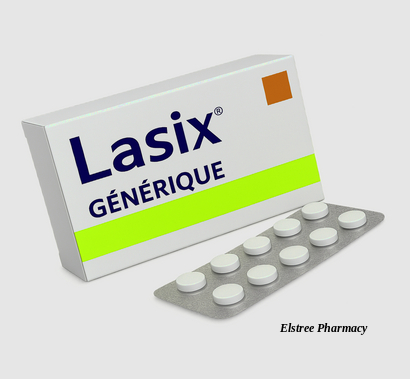
In the United Kingdom, furosemide (widely known by the brand name Lasix) is classified primarily as a prescription only medicine (POM) for the management of conditions such as oedema and hypertension. There is no authorised supply of Lasix as a non-prescription or over-the-counter (OTC) medicine under UK law. Therefore, it cannot be legally purchased without a valid prescription from a qualified healthcare professional.
However, Elstree Pharmacy offers a convenient online prescription service that can shorten waiting times for patients who already have a valid prescription. You can also purchase generic Lasix as a cost-effective alternative to the brand name product. For patients who need a rapid supply, the team can organise fast delivery across the UK once a prescription is in place.
The UK divides medicines into three main legal supply categories: Prescription Only Medicine (POM), Pharmacy medicine (P) and General Sales List medicine (GSL). While some medicines containing milder diuretics or herbal extracts may be classified as P or GSL under specific conditions, furosemide does not have a non-prescription classification. All furosemide products require a prescription for legal supply.
A Pharmacy medicine can be sold without a prescription but only under the supervision of a pharmacist within a licensed pharmacy. This ensures that professional advice is provided at the point of sale. Furosemide’s potential for electrolyte disturbances and its need for monitoring underscore why it remains a POM.
Lasix is the brand name for the diuretic drug furosemide. It is used to remove excess water and salt from the body by increasing urine output. The result is a decrease in fluid accumulation in tissues (oedema) and a reduction in blood volume, helping to lower blood pressure in hypertensive patients.
The active pharmaceutical ingredient is furosemide. Generic products contain the same active substance and meet the same rigorous regulatory standards as branded Lasix. Differences may exist in non-active ingredients, tablet colour, shape and packaging.
Diuretics promote diuresis, the increased production of urine. In everyday language, diuretics such as furosemide are often referred to as “water tablets” because they help the body eliminate excess water through the kidneys.
Generic furosemide is chemically identical to brand-name Lasix. Regulatory authorities require that generic products demonstrate bioequivalence to the reference medicine. Differences are limited to cosmetic aspects, packaging and inactive excipients, which do not affect therapeutic efficacy or safety when products are authorised.
Furosemide acts on the thick ascending limb of the loop of Henle in the nephron (functional unit of the kidney). It inhibits the sodium-potassium-chloride co-transporter (NKCC2), blocking reabsorption of sodium and chloride and promoting their excretion in urine. This process draws water along with the electrolytes, increasing urine output.
Furosemide is classified as a loop diuretic because it targets the loop of Henle. Loop diuretics are among the most potent classes of diuretics used in clinical practice and are effective in rapidly mobilising edematous fluid.
Oral furosemide typically begins to work within 30 to 60 minutes, with peak diuretic effect occurring at around 1 to 2 hours after administration. The duration of action is approximately 6 to 8 hours, but individual response can vary.
No. Furosemide causes the loss of electrolytes including sodium, potassium, chloride, magnesium and calcium. This can lead to electrolyte imbalances if not monitored, which is why regular blood tests are often necessary during prolonged therapy.
Furosemide acts on the kidneys and can alter electrolyte balance and intravascular volume. Monitoring kidney function (including serum creatinine and electrolytes) helps ensure that diuretic effect is achieved without compromising renal function or causing severe electrolyte disturbances.
Prices vary depending on brand, generic status, pack size and pharmacy. Generic Lasix (furosemide) is typically cheaper than the brand, and Elstree Pharmacy aims to offer cheap, affordable pricing with regular promotions and bulk discounts. For current prices, please contact our team directly or view our online ordering page.
Generic furosemide offers the same efficacy and safety as brand-name Lasix at a lower price. Bulk purchasing can further reduce per-tablet cost, ensuring that long-term therapy remains affordable for patients on a fixed income.
| Product | Strength | Formulation | Price (GBP) | Status | Note |
|---|---|---|---|---|---|
| Lasix | 40 mg | Tablets | From £4.50 | Prescription Only | Brand-name product |
| Furosemide Generic | 40 mg | Tablets | From £2.20 | Prescription Only | Cost-effective generic |
Furosemide is commonly available in 20 mg, 40 mg and 80 mg tablets. Injectable formulations exist for hospital use but are not supplied via community pharmacies without specialist arrangements.
In addition to oral tablets, furosemide is marketed as an oral solution or as an intravenous injection for acute clinical settings. Our online pharmacy supplies only oral solid-dose formulations.
Prescribers may choose pack sizes based on daily dosage, treatment duration and monitoring requirements. Typical packs contain 28, 56 or 98 tablets. Bulk packs can be arranged on request for stable long-term patients.
| Feature | Why it matters |
| Active ingredient | Ensures consistent diuretic effect |
| Strength | Determines fluid removal capacity |
| Formulation | Affects ease of administration |
| Pack size | Impacts cost and convenience |
| Brand vs generic | Affects price, not efficacy |
All generic products must demonstrate bioequivalence to the reference brand. Differences in excipients may affect tablet size or pill hardness but do not compromise therapeutic outcomes when products are authorised.
Oedema is the pathological accumulation of fluid in the body’s tissues, causing swelling in ankles, legs, abdomen or lungs (pulmonary oedema). It often accompanies heart, liver or kidney disease.
By increasing urine output, furosemide reduces intravascular volume and encourages the removal of excess fluid from tissues, alleviating symptoms of swelling and breathlessness in heart failure or cirrhosis.
In certain patients, loop diuretics are chosen when first-line therapies such as thiazide diuretics, ACE inhibitors or calcium channel blockers are insufficient or contraindicated. Doses are tailored to achieve optimal blood pressure control with minimal adverse effects.
Occasionally, furosemide is used off-license for acute high intracranial pressure or other rare conditions requiring rapid diuresis under specialist supervision.
Patients must be monitored for blood pressure response, renal function, electrolytes and signs of dehydration. Doses may be adjusted weekly until stabilization is achieved.
Prescription Only Medicine status means furosemide can only be supplied with a valid prescription from a doctor or other authorised prescriber. There are no exceptions for OTC supply in community pharmacies.
Its potent diuretic effect, narrow therapeutic window and need for laboratory monitoring necessitate professional oversight. The risk of electrolyte imbalance and renal impairment underlines the need for prescription control.
Other diuretics, such as mild potassium-sparing agents, may be P class in specific low-dose formulations, but furosemide remains a POM.
The Medicines and Healthcare products Regulatory Agency (MHRA) regulates the classification of UK medicines, ensuring patient safety through legal supply categories and monitoring changes to product licences.
Combining diuretics with different mechanisms can enhance efficacy and reduce doses of each agent, potentially lowering side effect risks. For example, combining a thiazide with furosemide can improve fluid control in resistant oedema.
Loop diuretics like furosemide are more potent and act faster than thiazide diuretics. Thiazides are often preferred for long-term hypertension management, while loops are chosen for acute fluid overload.
Spironolactone is a potassium-sparing diuretic used when preserving potassium is important or in combination to offset potassium loss with loop diuretics.
| Feature | Furosemide (Lasix) | Hydrochlorothiazide | Spironolactone |
| Drug class | Loop diuretic | Thiazide diuretic | Potassium-sparing |
| Onset of action | 30–60 min | 2–4 hours | 2–3 days |
| Potency | High | Moderate | Low (volume) |
| Use in oedema | Yes | Occasional | Yes (adjunct) |
| Electrolyte risk | High | Moderate | Hyperkalaemia |
No. Choice depends on individual patient factors, coexisting conditions, electrolyte profile and the urgency of fluid removal. Specialist input is recommended for complex cases.
Dietary sodium intake directly influences fluid retention. A low-salt diet supports diuretic therapy, helping reduce oedema and blood pressure.
In heart failure or hyponatraemia, fluid intake may be restricted. Advice should be tailored by a healthcare professional to balance hydration and fluid control.
Alcohol can affect blood pressure and kidney function. Excessive intake may counteract diuretic therapy and worsen fluid retention in certain conditions.
Regular physical activity can support cardiovascular health and circulation, but patients with severe oedema should follow tailored advice from physiotherapists or clinicians.
Yes. Common adverse effects include dehydration, dizziness, hypotension, electrolyte imbalances (hypokalaemia, hyponatraemia, hypomagnesaemia) and increased urination frequency.
| Area | Examples of side effects |
| Fluid balance | Excessive diuresis, dehydration |
| Electrolytes | Hypokalaemia, hyponatraemia |
| Blood pressure | Orthostatic hypotension |
| Gastrointestinal | Nausea, abdominal cramps |
| Skin | Photosensitivity, rash |
Contact a healthcare professional if you experience muscle cramps, severe dizziness, irregular heartbeat, signs of dehydration or allergic reactions such as rash or swelling.
Ongoing monitoring of renal function, electrolytes, blood pressure and weight ensures that furosemide remains safe and effective over time. Dose adjustments may be required as the underlying condition evolves.
Long-term diuretic use can lead to diuretic resistance. In such cases, combination therapy or dose modification may be necessary under specialist guidance.
Chronic electrolyte imbalances can affect bone density. Ensure adequate intake of calcium and vitamin D and discuss supplementation with a healthcare professional if indicated.
Yes. Important interactions include lithium (increased lithium toxicity), digoxin (increased risk of arrhythmias when potassium is low), non-steroidal anti-inflammatory drugs (reduced diuretic effect) and certain antihypertensives (enhanced blood pressure lowering).
Hypokalaemia can cause muscle weakness and cardiac arrhythmias. Potassium levels should be checked regularly, and supplements provided if necessary.
Furosemide can affect glucose tolerance. Diabetic patients should monitor blood sugar more closely and adjust therapy as advised by their clinician.
A generic medicine contains the same active ingredient as the brand-name reference product and must meet identical standards of quality, safety and efficacy. Differences are limited to appearance and excipients.
Different manufacturers may produce slightly different patient information leaflets. All leaflets must be approved by MHRA and provide comprehensive details on usage, side effects, storage and legal information.
Store in a cool, dry place away from direct sunlight and moisture. Keep tablets in their original packaging to protect from light. Keep out of reach of children.
Trustworthy sources include the MHRA website, the electronic Medicines Compendium (eMC), NHS information leaflets and qualified healthcare professionals. Always refer to the patient leaflet supplied with your medicine for the most accurate guidance.
No. This information is general. For personalised advice tailored to your individual circumstances, please consult the team at Elstree Pharmacy (The Corner Shop B, High Street, Elstree, WD6 3BY) or your GP.